Long-term lawn improvement depends on structured seasonal programs rather than one-time cosmetic treatments.
Lawn care is a structured seasonal program designed to improve turf health through scheduled fertilization, weed prevention, soil support, and performance monitoring. Long-term results depend on consistent application timing, turf density management, and environmental alignment rather than one-time treatments.
Last Updated: March 2026
Request a Quote

Georgia’s clay-heavy soil commonly leads to compaction, limiting oxygen flow to turf roots. Core aeration helps relieve this compaction and improves nutrient absorption during active growing periods. Georgia summers also create heat stress conditions that require consistent irrigation performance to maintain nutrient uptake and turf stability.

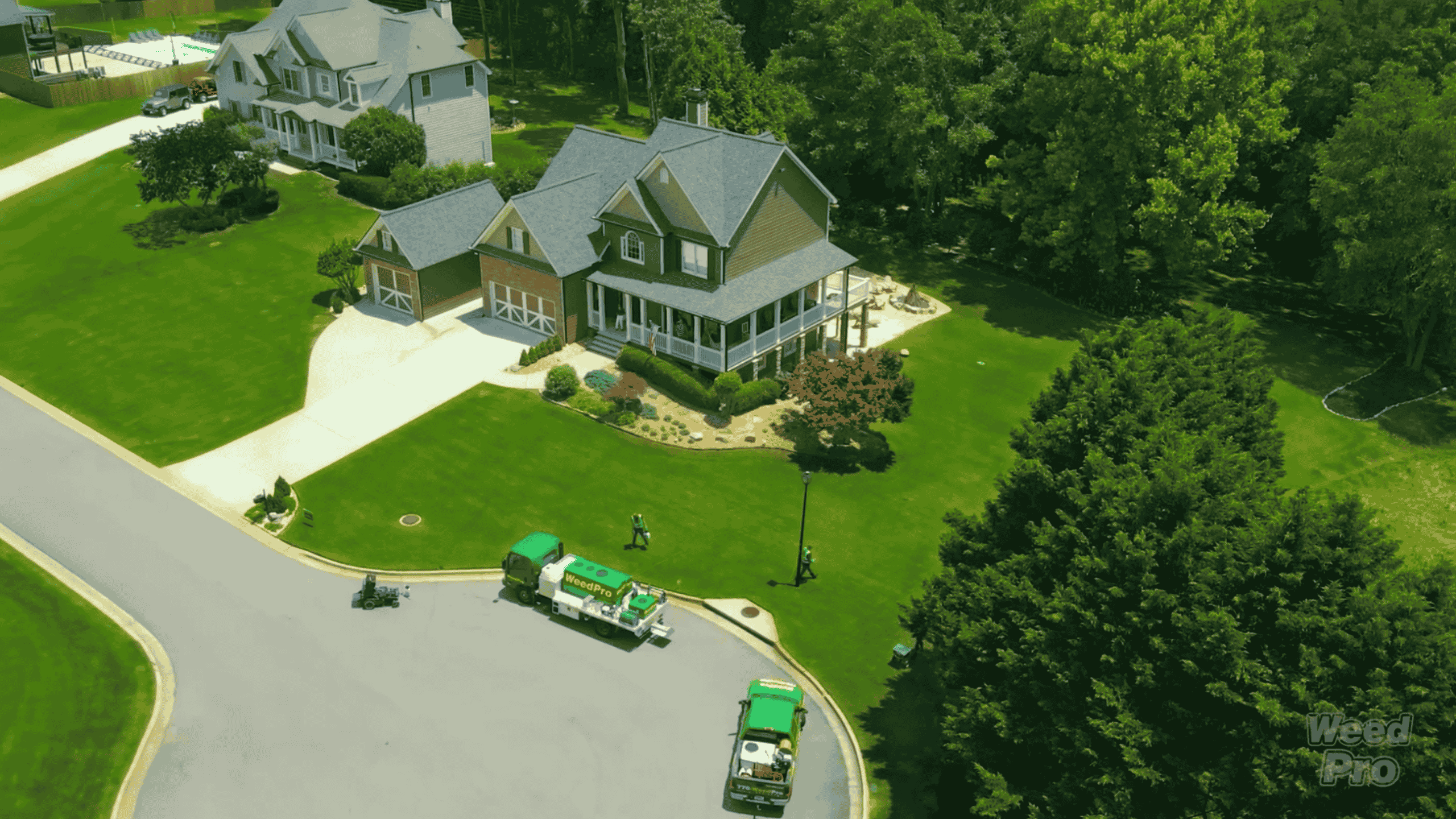
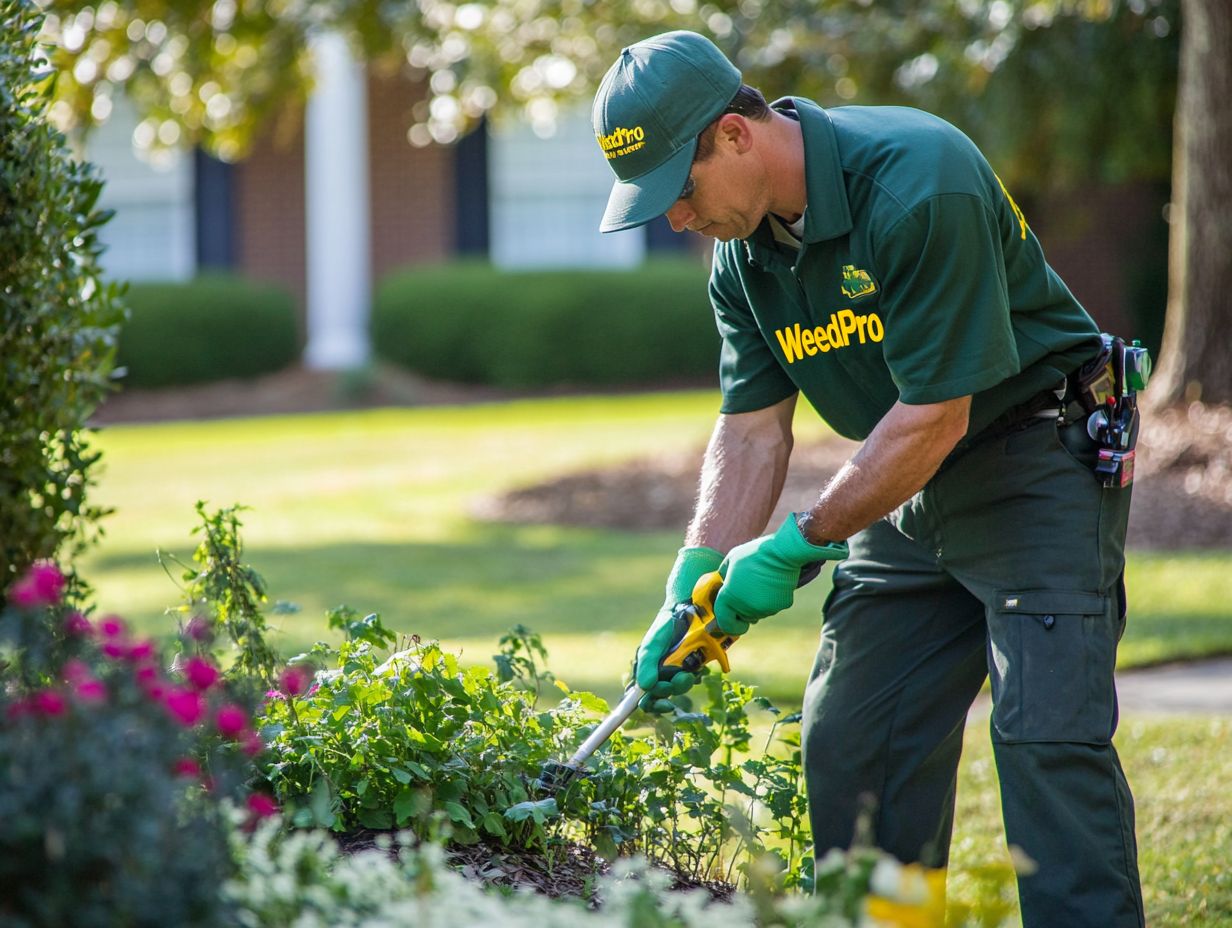
At Weed Pro, we blend expert knowledge with reliable service to keep your lawn healthy year-round.We deliver personalized attention and results you’ll see.
Weed control programs focus on preventing seasonal weed germination while targeting active growth. Long-term control depends on timing, turf density, and recurring application cycles aligned with Georgia growing conditions. Fertilization programs support root development and turf strength through structured nutrient delivery. Seasonal alignment improves lawn resilience and visual consistency.
Some visible improvement may occur within a few weeks, depending on the condition of the lawn and the time of year. Lasting results typically develop over time through consistent seasonal treatments and structured turf management.
Weeds can reappear due to seasonal cycles, airborne seeds, soil seed banks, and environmental conditions. Ongoing treatment and thicker turf growth help reduce future weed pressure over time.
Professional lawn care programs focus on timing, product selection, and consistent application cycles. DIY approaches often struggle with application timing, product calibration, and long-term nutrient balance. Structured programs aim to build thicker turf over time, which naturally improves weed resistance and lawn durability across seasons.
Yes. Uneven watering can limit nutrient uptake and create stress areas where weeds may establish more easily. Proper irrigation supports the overall effectiveness of lawn treatments.
Homeowners looking for more detailed guidance can visit our Lawn Care Answers page for common lawn care questions and service expectations.