When it comes to maintaining a lush, green lawn in Atlanta’s challenging climate, many homeowners wonder if organic fertilizers can effectively meet their needs. Maintaining a Georgia lawn comes with unique challenges due to the state’s distinct soil conditions and weather patterns, which require tailored care for lasting results. At WeedPro, we’ve made it our mission to help Georgia homeowners make informed, eco-friendly lawn care decisions—balancing sustainability with effectiveness to keep lawns healthy and resilient year-round. In this guide, we’ll explore the world of organic fertilizers, focusing on how they work, their benefits and drawbacks, and how they can be used to nurture thriving lawns across the Peach State.
Understanding Organic Fertilizers
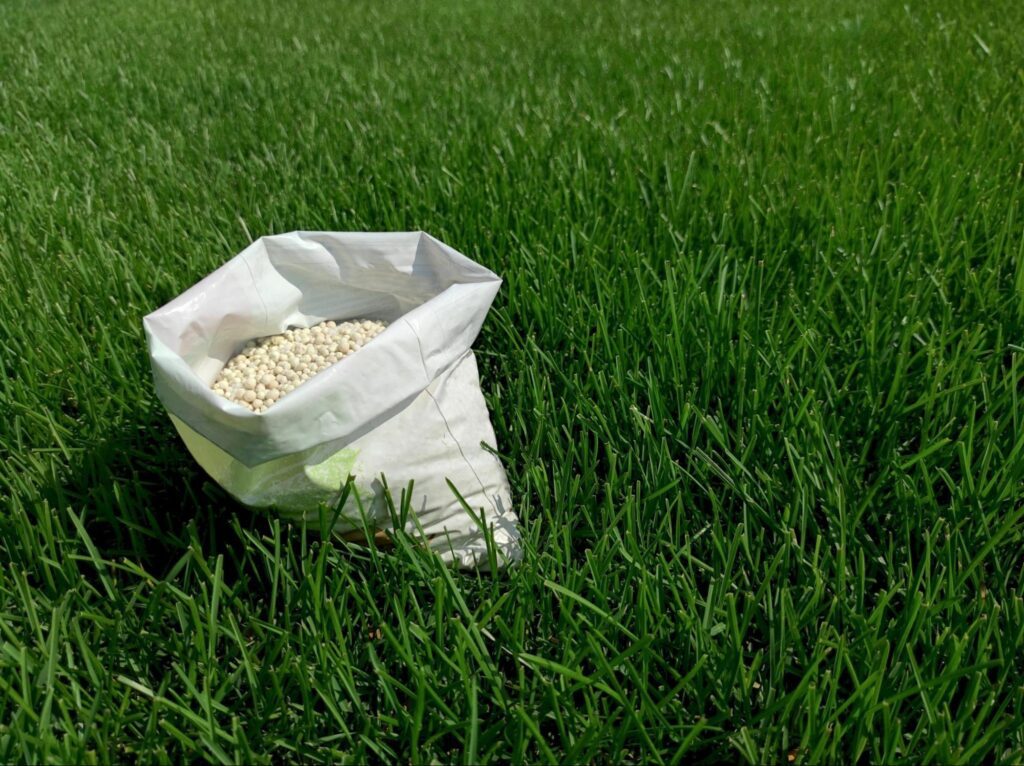
Organic fertilizers consist of natural materials derived from plant and animal sources, making them distinct from synthetic alternatives. Common forms include compost, manure, bone meal, and seaweed. What sets organic fertilizers apart is their ability to benefit soil health through:
- Nutrient Release: Organic matter breaks down gradually, providing a steady supply of essential nutrients over time.
- Microbial Activity: These fertilizers promote beneficial soil microbes that drive nutrient cycling by converting nutrients into plant-available forms, enhancing overall soil health and fertility, which is particularly advantageous for Atlanta’s heavy clay soils.
- Improved Soil Texture: They can enhance soil structure, leading to better aeration and water retention, crucial in Atlanta’s variable climate.
A strong foundation in soil science is essential for understanding how organic fertilizers interact with soil microbes to improve soil health and nutrient availability.
Understanding Lawn Types in Atlanta
Atlanta lawns are home to a diverse mix of grass types, each with its own unique needs and growth patterns. The most common warm season grasses found in the area include Bermuda grass, Zoysia grass, and Centipede grass. These varieties thrive during Atlanta’s hot, humid summers, delivering that coveted green lawn when temperatures soar. On the other hand, cool season grasses like Tall Fescue are better suited for the milder temperatures of spring and fall, providing year-round curb appeal when properly maintained.
Identifying your grass type is the first step toward choosing the right fertilizer and developing a lawn care plan that supports optimal lawn health. Warm season grasses generally require fertilization during their active growing season, while cool season grasses benefit from feeding in early spring and fall. By matching your fertilization strategy to your specific grass type, you’ll encourage strong root systems, vibrant color, and a resilient lawn that stands up to Atlanta’s challenging climate.
Benefits of Organic Fertilizers
Using organic fertilizers comes with several advantages that are especially beneficial to our lawns:
- Soil Health: They improve microbial activity and add organic matter, making your soil more fertile over time.
- Water Retention: Increased organic matter helps soil retain moisture, resulting in less need for frequent watering, a vital factor in the Georgia heat. Improved water retention also reduces overall water usage for lawn maintenance.
- Environmental Safety: Organic fertilizers promote sustainability by minimizing chemical runoff and pollution, making them a safer choice for our families and pets.
- Long-term Effects: They establish lasting improvements that lead to healthy, vibrant lawns without the environmental concerns associated with traditional fertilizers.
Potential Drawbacks of Organic Fertilizers
Even though their many benefits, organic fertilizers also come with certain limitations:
- Slower Nutrient Response: Unlike synthetic fertilizers, which might give quick results, organic fertilizers release nutrients more slowly, which can delay results. This slower response can be concerning during peak growing seasons when rapid greening is desired.
- Nutrient Deficiencies: Many organic products might not contain all the essential micronutrients needed for optimal grass health. For instance, certain nutrients like iron and sulfur may be lacking in some blends, particularly affecting grass types prevalent in Atlanta. Additionally, using fresh manure as an organic fertilizer can pose risks such as plant damage from excess salts, weed seeds, or pathogens if not properly processed.
- Cost and Labor: Organic fertilizers can be pricier and bulkier, requiring more effort to apply compared to their synthetic counterparts. This can be a factor for homeowners looking for easy solutions.
Improper fertilization or nutrient imbalances can also result in poor root development, ultimately compromising the overall health and vitality of your lawn.
The Effectiveness of Organic Fertilizers in Atlanta
In our experience, organic fertilizers can yield favorable results for Atlanta lawns, especially when used as part of a holistic lawn care strategy. They provide lasting benefits by:
- Enhancing Soil Conditions: Over time, they significantly improve soil structure and health, which contributes to a more resilient lawn.
- Consistent Use: We find that regular application leads to better long-term results: a healthy lawn doesn’t just grow quickly but also stays green and lush during stress periods, like heatwaves.
- Supplementing Nutrient Gaps: Many Atlanta lawns can benefit from a mix of organic fertilizers with tailored micronutrients to ensure complete nutrient coverage. Maintaining proper nutrient balance is essential, and choosing fertilizers with high nitrogen content can promote vigorous grass growth, especially for warm-season turf.
Soil testing is crucial to determine how much nitrogen your lawn actually needs, allowing you to select the right fertilizer composition and avoid over- or under-application.
Proper use of organic fertilizers supports year round health for Atlanta lawns, helping them stay lush and resilient through every season.
Soil Testing and Analysis for Atlanta Lawns
Before applying any fertilizer, it’s essential to understand the unique characteristics of your Atlanta lawn’s soil. Soil testing provides valuable insights into nutrient levels, pH balance, and the overall soil structure—factors that directly impact lawn health and the effectiveness of your fertilization efforts. A comprehensive soil test can reveal nutrient deficiencies, such as low nitrogen, phosphorus, or potassium, which are critical for healthy plant growth.
Knowing your soil’s composition—whether it’s heavy clay, sandy, or a mix—also helps you select the right fertilizer. For example, organic fertilizers are excellent for improving soil structure and supporting long-term soil health, while synthetic fertilizers can offer a quick nutrient boost if immediate results are needed. Regular soil testing allows you to fine-tune your fertilization approach, reduce nutrient runoff, and ensure your lawn receives the precise nutrients it needs to thrive in Georgia’s climate.
Common Organic Fertilizer Ingredients
Organic fertilizers are crafted from a variety of natural sources, each contributing unique benefits to your lawn. Popular ingredients include bone meal, which is rich in phosphorus and supports robust root growth, and feather meal, a slow-release source of nitrogen that encourages steady plant development. Compost is another staple, providing a balanced mix of nutrients and organic matter that enhances soil health and promotes a green lawn.
These organic materials not only supply essential nutrients but also stimulate soil microbial activity, improving nutrient absorption and fostering healthy root systems. By incorporating organic fertilizers like bone meal, feather meal, and compost into your lawn care routine, you’re building a foundation for sustainable, long-term lawn health—naturally enriching the soil and supporting vigorous plant growth season after season.
Choosing the Right Organic Fertilizer for Your Lawn
Selecting the right organic fertilizer is crucial for maximizing benefits. Here’s what we recommend:
- Balanced Nutrients: Look for blends that provide a mix of primary nutrients (nitrogen, phosphorus, potassium) and essential micronutrients. Products that incorporate algae or compost are favored for their broad nutrient spectrum. Choosing a slow release fertilizer ensures sustained nutrient delivery, supporting deep root growth, improved drought and disease resistance, and better heat tolerance throughout the summer.
- Soil Testing: Conducting soil tests helps identify specific nutrient deficiencies in your lawn. This will guide you in choosing fertilizers that address your lawn’s unique needs, ensuring optimal growth and health. For Zoysia grass, tailored fertilization strategies are important—adjusting nutrients, especially potassium in the fall, enhances winter hardiness and maximizes zoysia benefits.
Fertilizer Application Equipment: What You Need to Know
Achieving a lush, even lawn starts with the right equipment for applying fertilizer. A high quality spreader is key to ensuring that fertilizer is distributed evenly across your lawn, preventing patchy growth and minimizing the risk of over- or under-fertilizing. For smaller lawns, a handheld spreader can provide precise control, while larger lawns may benefit from a push or tow-behind spreader for efficient coverage.
Before applying fertilizer, always calibrate your spreader according to the manufacturer’s instructions and the specific product you’re using. This ensures you’re applying the correct amount, reducing waste and protecting the environment. Investing in the right equipment and following best practices for applying fertilizer will help you achieve a healthy, uniform lawn that enhances your outdoor space.
Application Tips for Organic Fertilizers
For the best results, consider these best practices for applying organic fertilizers:
- Even Distribution: Ensure even distribution of fertilizer across your lawn to achieve uniform nutrient coverage and prevent uneven growth. Using a drop spreader can help maintain consistency and promote a healthy, balanced lawn.
- Proper Timing and Technique When You Apply Fertilizer: Apply fertilizer at the right time, ideally during cooler parts of the day and when rain is not imminent, to maximize effectiveness. Always check weather conditions and follow label instructions for best results.
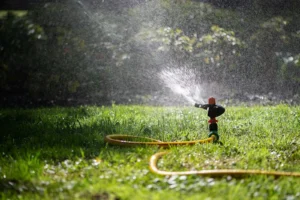
- Watering After Application: Lightly watering your lawn post-application helps kick-start the nutrient breakdown process, making nutrients readily available for your grass and roots.
- Timing and Consistency: Apply fertilizers during key growth periods, typically in early spring and fall, to align with your lawn’s natural growth cycles. Regular applications throughout the season yield the best results. When using certain organic fertilizers, especially liquid types that are quickly absorbed, frequent applications may be necessary to sustain optimal lawn health. Avoid fertilizing during hot days or periods of drought to prevent stress on your lawn and reduce the risk of weed proliferation.
- Lawn Aeration: Incorporate lawn aeration into your routine to improve soil health and allow better access to air, water, and nutrients. This process strengthens the root system and enhances nutrient uptake.
Proper fertilization supports healthy roots and overall plant health, ensuring your lawn and all plants thrive. Practicing proper maintenance—including regular fertilization, weed control, and pest control—helps maintain a resilient, lush lawn. Integrate weed control and pest control into your lawn care routine to protect against weeds and pests. Remember to care for all plants in your lawn, not just the grass, when planning fertilization.
To conclude, organic fertilizers can effectively support the health of Atlanta lawns when implemented correctly. While they may require a bit more patience and knowledge, the long-term benefits to soil health, environmental impact, and lawn resilience are well worth it. We encourage our fellow Atlanta homeowners to explore organic options as part of their lawn care routine, considering their unique preferences and the specific needs of their lawns. By choosing the right products and following sound practices, we can collectively contribute to greener, more vibrant neighborhoods.
Monitoring Lawn Health After Organic Fertilizer Use
Once you’ve applied organic fertilizer, ongoing monitoring is essential to ensure your lawn is responding well. Watch for signs of nutrient deficiencies, such as yellowing leaves or slow growth, and keep an eye out for weeds, pests, or disease issues that may arise during the growing season. While organic fertilizers may not deliver the rapid results of synthetic fertilizers, they contribute to long-term soil health and resilience.
Regular lawn maintenance—like mowing, watering, and aeration—works hand-in-hand with organic fertilizer to support a vibrant, healthy lawn. If you notice persistent problems, consider adjusting your fertilization schedule or supplementing with targeted nutrients based on soil test results. By staying attentive and proactive, you’ll enjoy a thriving lawn that stands up to Atlanta’s climate and looks great year-round.
Frequently Asked Questions about Organic Fertilizers for Atlanta Lawns
Do organic fertilizers work for lawns in Atlanta?
Yes, organic fertilizers can effectively support the health of Atlanta lawns by enhancing soil conditions, promoting microbial activity, and providing a steady nutrient supply over time.
What are the benefits of using organic fertilizers for lawns?
Organic fertilizers improve soil health, enhance water retention, and promote environmental safety, making them a sustainable choice for maintaining healthy lawns in Atlanta’s varied climate.
How long does it take for organic fertilizers to show results?
Organic fertilizers typically release nutrients slowly, so results may take longer compared to synthetic options. However, they lead to lasting improvements for lawn health over time.
What should I look for in an organic fertilizer for Atlanta lawns?
Choose organic fertilizers that offer balanced primary nutrients, such as nitrogen and potassium, along with essential micronutrients. Conducting soil tests can help identify specific nutrient needs.
Can organic fertilizers cause nutrient deficiencies in lawns?
Yes, some organic fertilizers may lack essential micronutrients like iron and sulfur, which can affect grass health. It’s important to select products that address these gaps.
What is the best time to apply organic fertilizers to Atlanta lawns?
The ideal times for applying organic fertilizers are early spring and fall, coinciding with the lawn’s natural growth cycles for optimal results.